Leisure & Wellness
Beyond Dance: Active Entertainment and Movement Groups
Explore diverse leisure activities that keep active retirees engaged, healthy, and connected to their communities across Czech Republic.
More Than Just Dance Floors
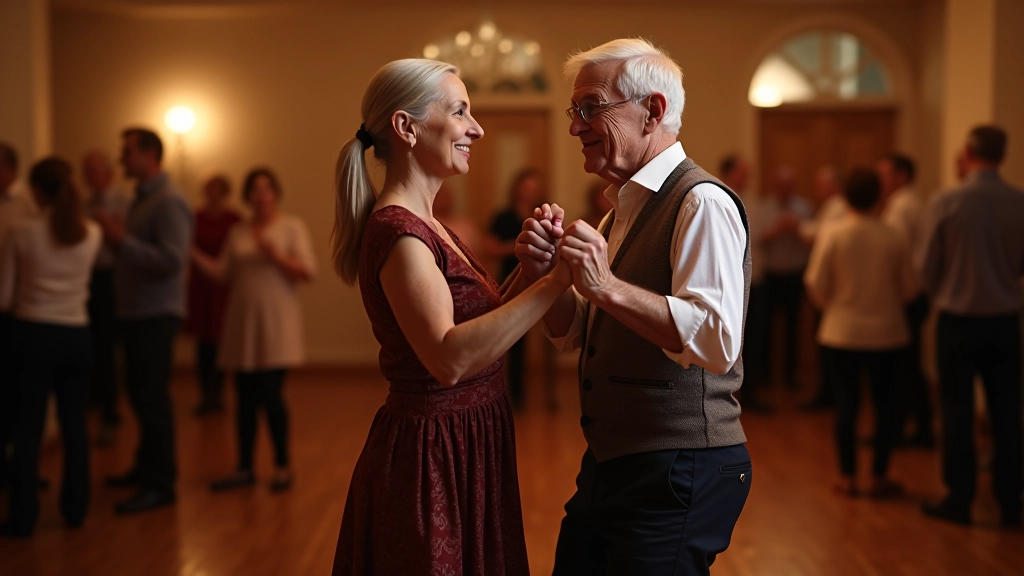
When we think about staying active in retirement, dancing comes to mind naturally. But there's a whole world of movement and social activities that work beautifully for older adults. We're talking about walking clubs that explore Prague's neighborhoods, tai chi sessions in Brno parks, fitness programs designed specifically for retirees, and outdoor social gatherings that bring people together.
The real magic? It's not just about moving your body — though that matters. It's about finding your people. Building friendships. Creating routines that give your week structure and purpose. Most active retirees we've talked to say they joined one activity and ended up in three different groups within months.
Walking Clubs: Your Weekly Adventure
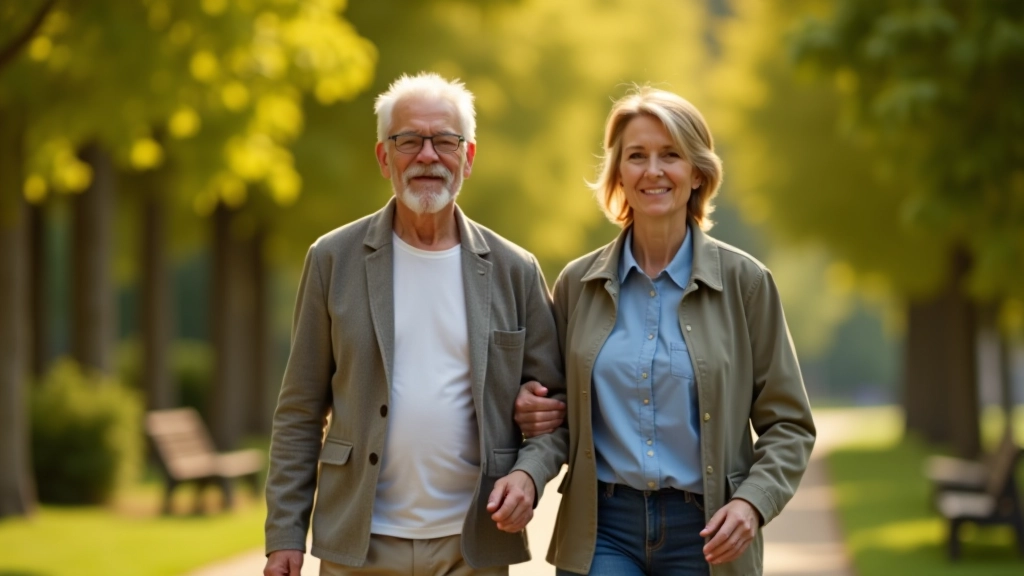
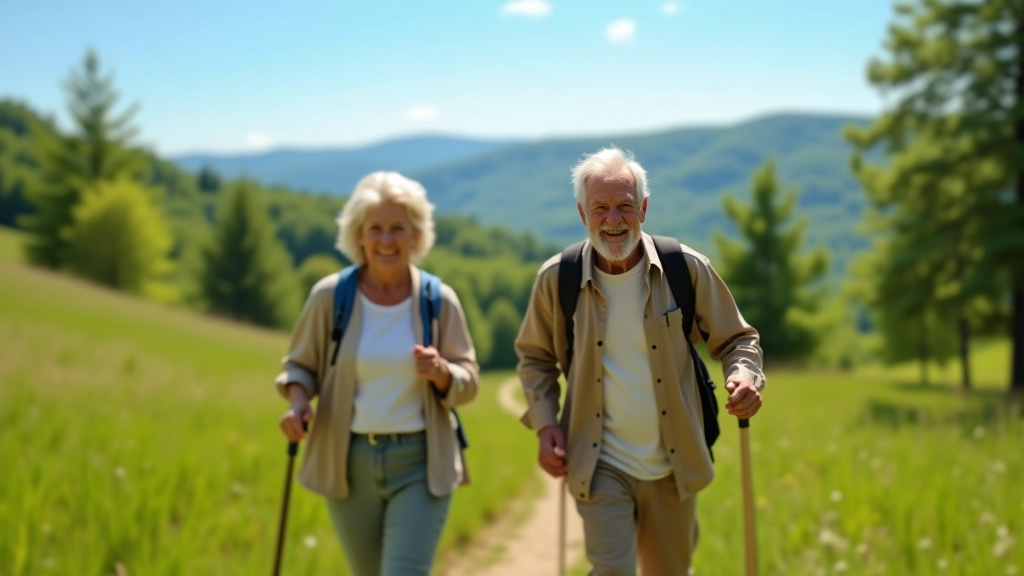
Walking clubs have exploded in popularity across Czech cities. They're simple but effective — a group of people meeting twice a week to explore neighborhoods, parks, or countryside trails. Most groups walk for 60-90 minutes at a relaxed pace. You're not racing anyone. The point is movement, conversation, and discovery.
Prague's got dozens of these. Some focus on specific areas — the old town circuit, Vltava riverbank paths, Prague parks. Brno groups often organize day trips to nearby villages and nature reserves. You'll find they're incredibly social. People grab coffee afterward, swap stories, plan weekend outings. One person joins a Tuesday morning walk and suddenly they're on a monthly hiking trip.
- Low-impact cardiovascular exercise
- Built-in social connection and friendship building
- Flexibility — most offer multiple weekly sessions
- Guided exploration of your city or region
- Zero equipment needed, just comfortable shoes
Movement Classes Built for Your Body
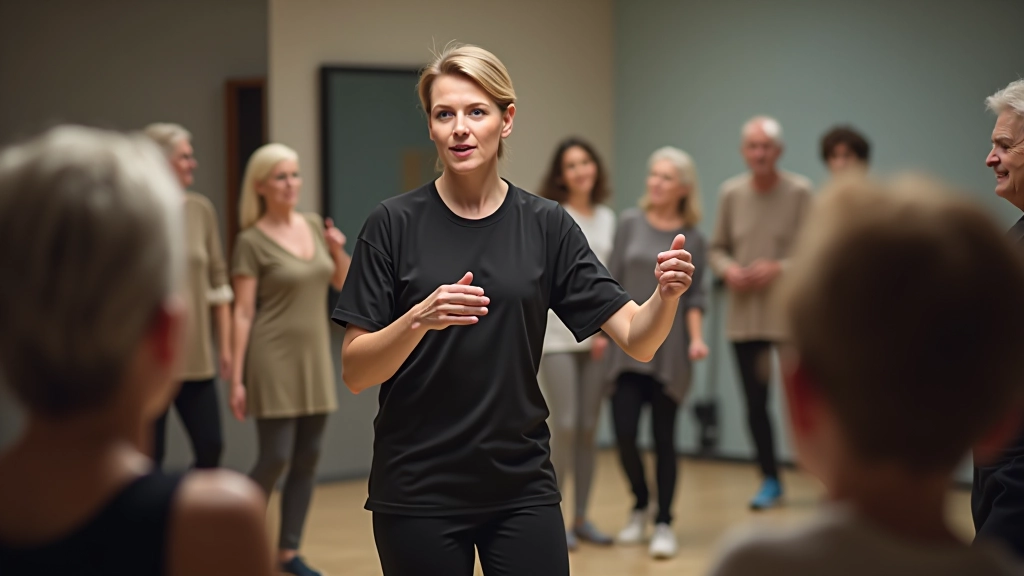
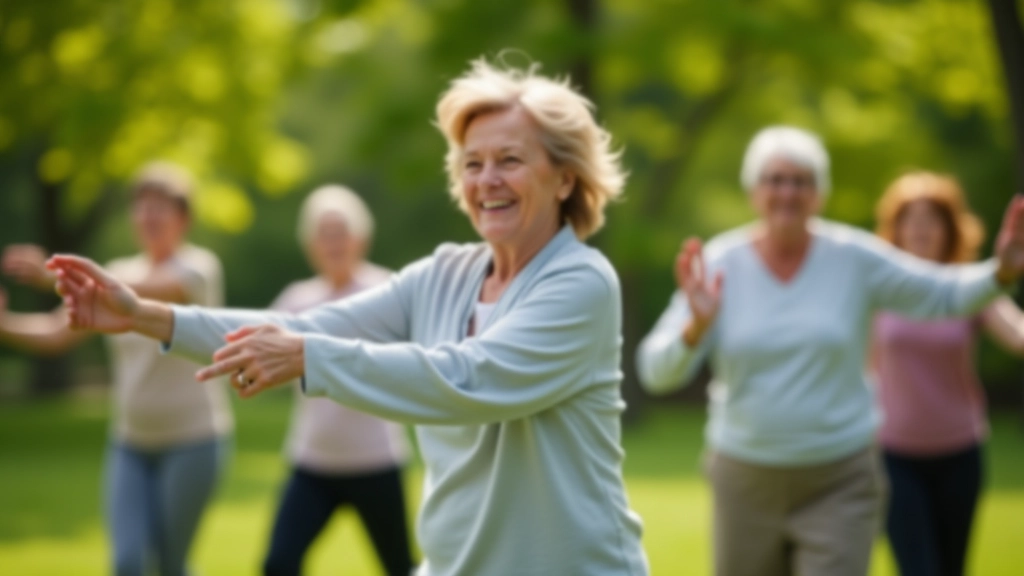
Tai chi, pilates, gentle yoga, aquatic fitness — these aren't new concepts, but they've become far more accessible and age-specific over the past decade. What's changed? Programs are now designed around what older adults actually need: strength maintenance, balance improvement, flexibility, and joint protection.
The difference between a generic fitness class and a senior-focused one is significant. Instructors understand how bodies change. They know modifications. They don't expect you to do a handstand or run sprints. Instead, you're working on stability, core strength, and functional movement — the things that help you carry groceries, play with grandchildren, and stay independent.
Pro tip: Most community centers offer free or heavily subsidized classes for retirees. Check your local town hall or community center website. Sessions fill up quickly because word spreads fast.
Structured Fitness Programs for Older Adults
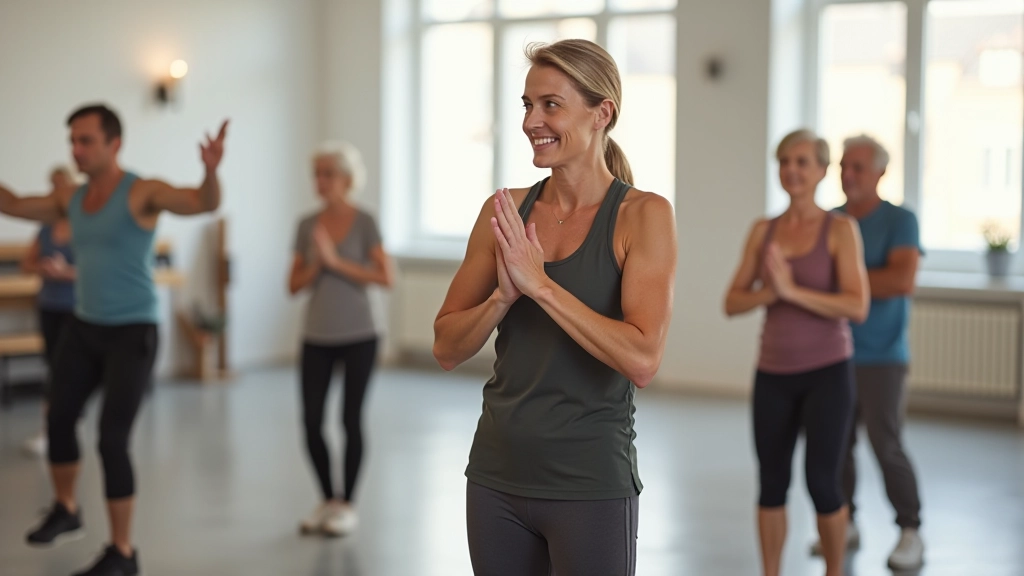
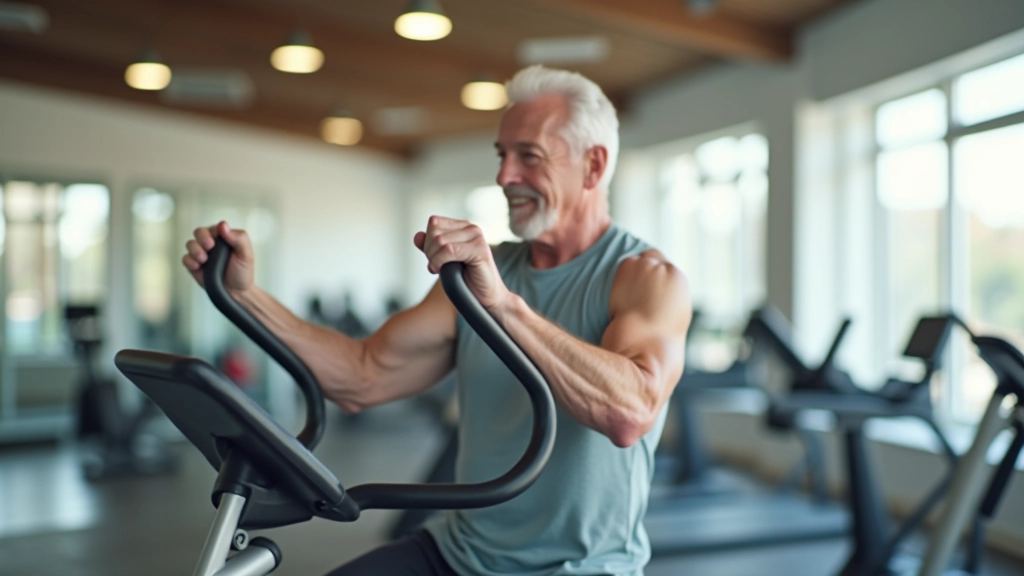
Beyond casual movement, there are structured programs with measurable goals. Strength training adapted for older bodies. Swimming classes focused on cardiovascular health and joint safety. Cycling clubs. Rock climbing gyms with senior programs (yes, really — it's about problem-solving and fun, not conquering mountains).
What makes these different from what you might've done at 35? Everything's modified. Weights are lighter. Ranges of motion respect your joints. Instructors watch for proper form. Most importantly, there's no judgment. You're surrounded by people your age with similar bodies and similar starting points.
3x
Most effective: sessions per week
60
Ideal session length: minutes
8-12
Weeks to notice changes: strength and endurance
Finding What Fits Your Life
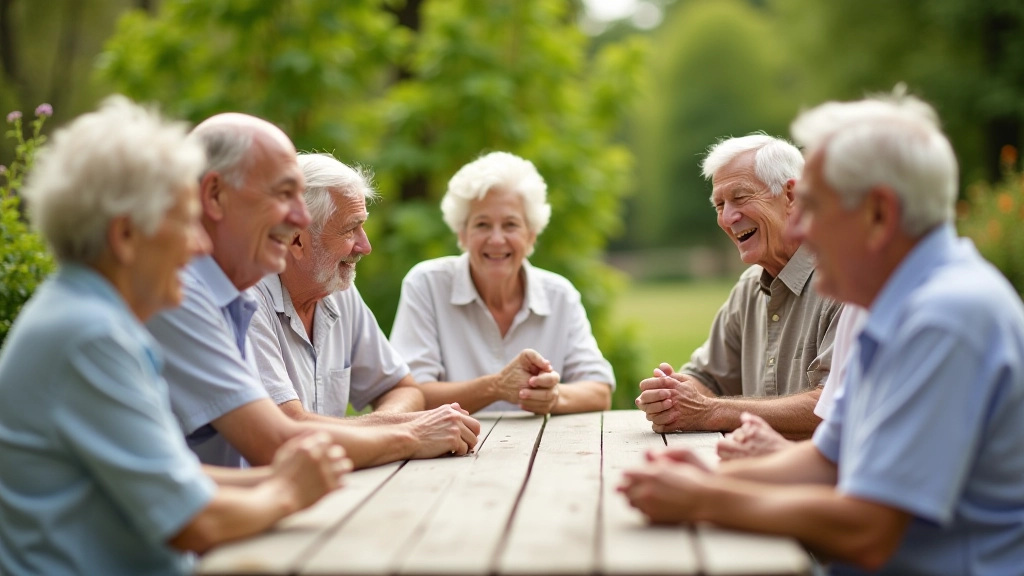
The beauty of all these options is that there's genuinely something for everyone. If you're an introvert, a walking club with a consistent small group might be perfect. If you're energized by crowds, community center classes or large outdoor gatherings are your thing. If you want structure and measurable progress, fitness programs deliver that. If you're looking purely for social connection, game clubs and volunteer opportunities are waiting.
Start with one thing. Doesn't have to be perfect. Most people we've talked to say they tried something, weren't sure about it, went back a second time, and by week three they were hooked. That's how it works. You don't need to commit to a big transformation or lifestyle change. You just need to show up once and see how it feels.
The networks are already built. The groups are already meeting. They're waiting for you. All you need to do is find the one that matches your energy and take that first step.
Disclaimer: This article provides general information about leisure activities and movement groups for older adults. Before starting any new physical activity or fitness program, especially if you have existing health conditions, consult with your healthcare provider. Recommendations in this article are educational in nature and not personalized medical advice. Individual circumstances vary, and what works for one person may not be suitable for another. Always listen to your body and work with qualified instructors who understand senior fitness needs.
Related Resources