Community Dance Socials in Prague: Where to Start
Weekly gatherings and monthly socials designed specifically for active retirees. We've covered timing, locations, and what to bring.
Learn what to expect in your first dance class and how to choose the right workshop in Prague or Brno. We've covered the fundamentals, common beginner questions, and why these dances are so popular with active retirees.

Salsa and bachata aren't just about moving to music. They're about coordination, confidence, and connecting with other people. For retirees, these dances offer something many activities don't — genuine social engagement wrapped in real physical challenge.
The good news? You don't need to be young or athletic to start. Workshops in Prague and Brno specifically cater to beginners, and most instructors understand that adults learning for the first time have different needs than younger dancers.
Walking into a dance studio for the first time can feel intimidating. But here's the reality — most beginners feel nervous, and instructors know this. A good workshop starts slowly.
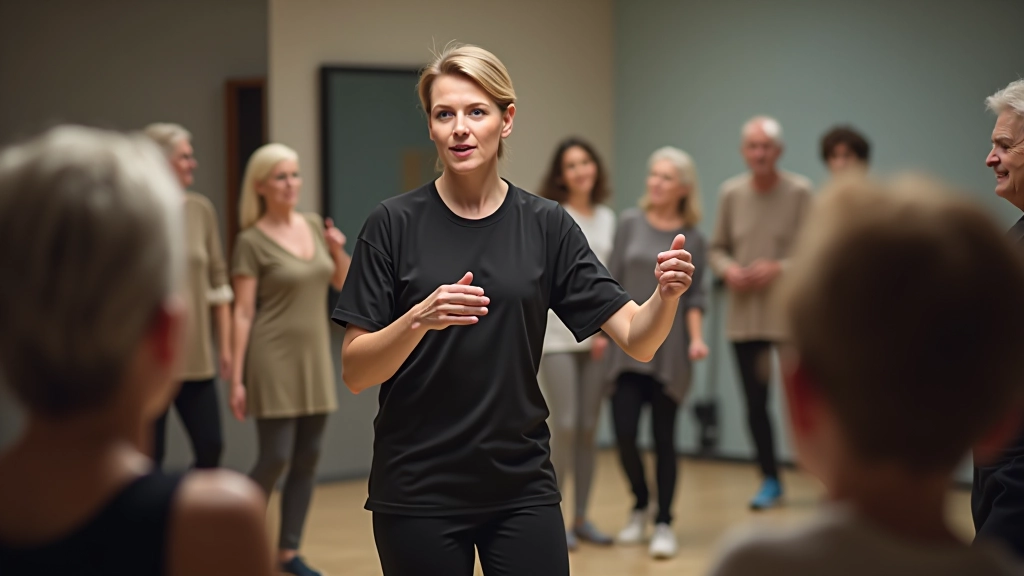
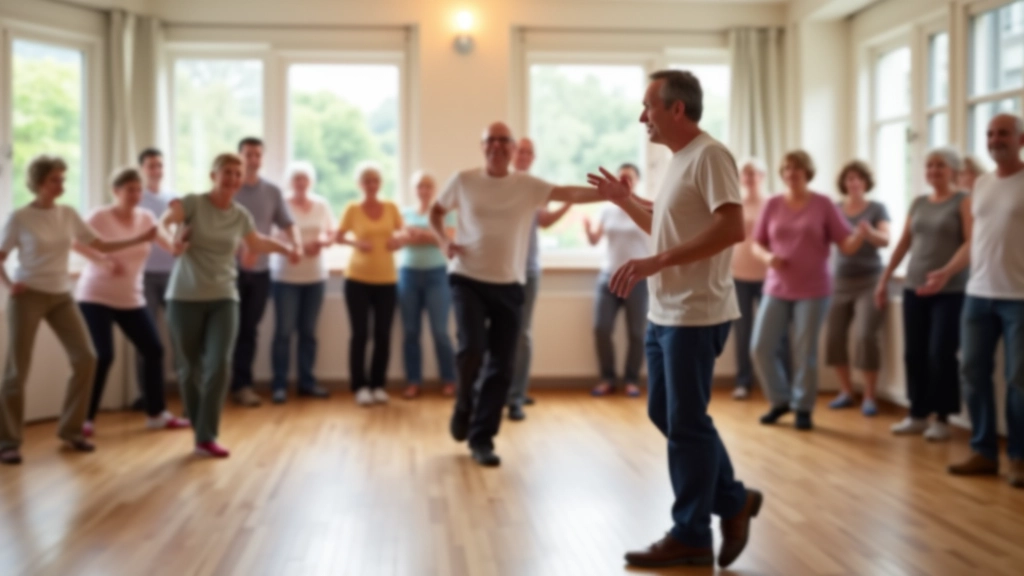
Most beginner classes run 60–90 minutes. The first 10–15 minutes are usually warm-up and basic footwork drills. You'll stand in lines or scattered across the floor, learning the fundamental steps without a partner. This is where you build muscle memory. Don't worry about looking awkward — everyone's focused on their own feet.
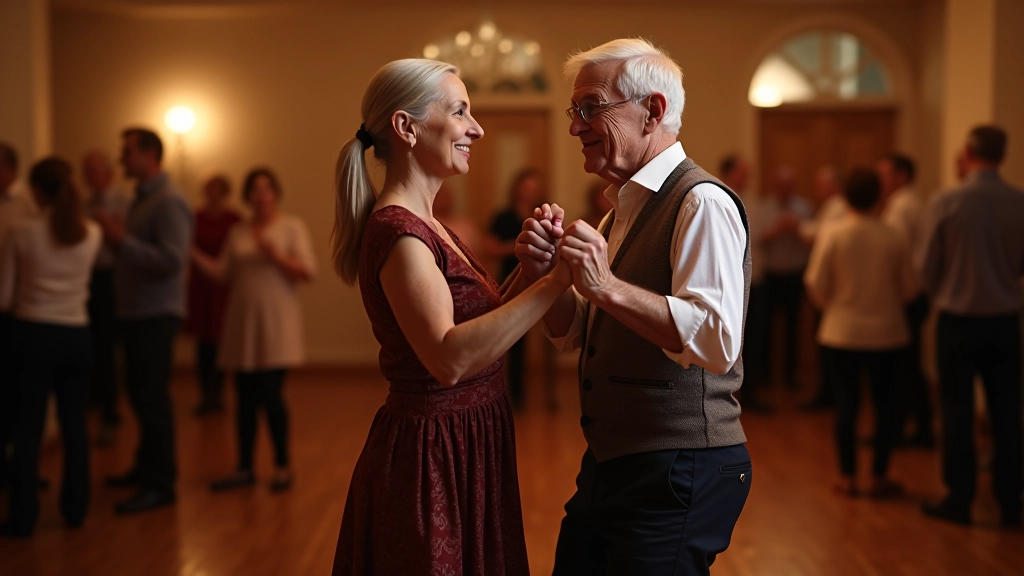
After that comes partner work. This is the fun part, honestly. You'll rotate partners, and instructors will guide you through simple combinations. Bachata's closer hold makes it feel more intimate, while salsa tends to be more energetic and spun.
These aren't just different dances — they're different experiences. Knowing the difference helps you pick the right class.
Fast-paced, energetic, lots of turns. You'll step forward-back-side in a rhythmic pattern. Partners stay at arm's length mostly, and there's more spinning involved. If you like rhythm-based movement and don't mind higher energy, this clicks quickly.
Slower, smoother, more intimate. The basic step is side-together-side, repeated. You'll dance close to your partner. It's romantic, sensual, and honestly? It's easier for beginners because the timing's simpler. If you prefer flowing movement over quick footwork, start here.
Neither is "better." It comes down to what appeals to you. Some people take both classes because they complement each other.
Look for beginner-specific classes. Some studios mix levels, which doesn't work well. You want a class labeled "absolute beginners" or "level 1."
Check the instructor's background. Have they taught older adults before? Do they understand that a 65-year-old learns differently than a 25-year-old? This matters.
Schedule matters. Daytime or early evening classes tend to attract more retirees. Evening classes (8 PM+) skew younger. Find a time that fits your rhythm.
Trial classes are standard. Most studios let you try one free or at a discount. Take advantage. You need to feel the instructor's teaching style.
No. Workshops rotate partners during class. You'll dance with different people each session, which is actually better for learning because you adapt to different styles and leads. Some people come solo, others come with a friend or spouse.
Tell your instructor. Good ones modify moves on the fly. You don't need to pivot hard, jump, or do deep lunges to learn these dances. The basics are gentle — it's mostly footwork and weight shifts.
Most people feel comfortable with basic patterns after 4–6 weeks of weekly classes. That's when the steps start becoming automatic instead of something you have to think about. Real confidence takes a few months, but you'll enjoy yourself from week one.
Not for starting. Wear smooth-soled shoes or dance shoes if you have them. Avoid sneakers — they catch on the floor. Most studios have a no-street-shoes rule anyway. As you progress, dedicated dance shoes help with turns, but beginners don't need them immediately.
The hardest part of any dance class is showing up the first time. Once you're there, instructors take it from there. You'll be in a room with other beginners, probably some nervous, some excited, all there for the same reason — to learn something new and have fun doing it.
Salsa and bachata aren't for perfect movers. They're for people willing to try, to laugh at their mistakes, and to keep coming back. And honestly? That's where the real joy is.
Check out our complete guide to cultural events and community gatherings happening right now in Prague and Brno.
Explore Cultural EventsThis article is for informational purposes about beginner dance workshops and what to expect when starting salsa or bachata classes. Every person is different, and individual experiences in dance classes will vary. If you have any health concerns or physical limitations, consult with your doctor before starting a new physical activity. Workshop quality, instructor experience, and class schedules vary by location and studio — we recommend trying a trial class to find the best fit for your needs and comfort level.